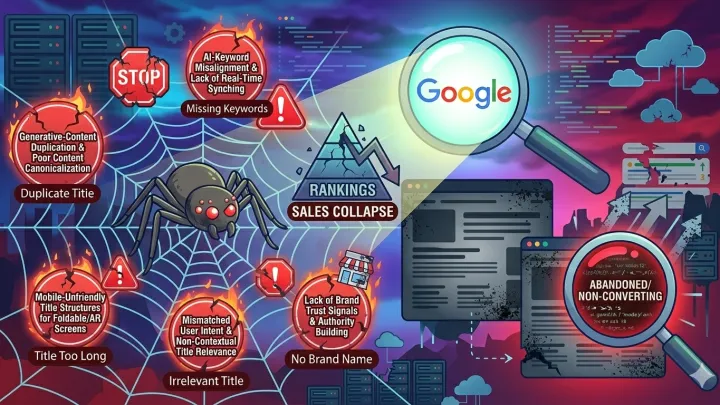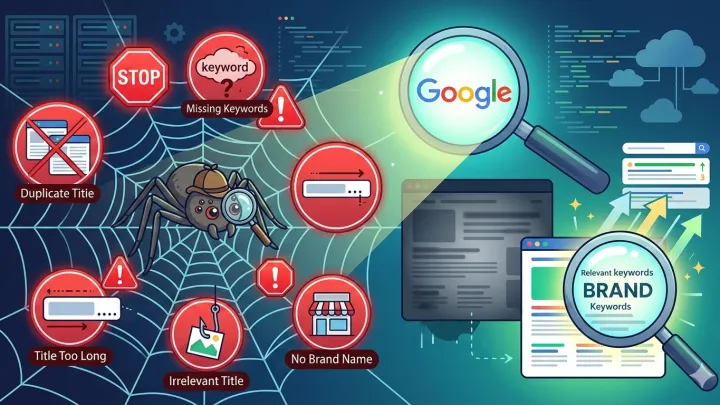

Two years ago, I wrote a product description for a "fast wireless charger" that looked perfect from an SEO standpoint: keyword in the title, precise technical specs, and a neat bullet-point list of features. The result? Zero sales. Why? Because I wrote for algorithms, not humans.
Today, after rewriting thousands of descriptions and analyzing what works and what doesn’t, I’ve learned a simple but brutal lesson: A great description doesn’t convince Google—it eliminates the customer’s doubts.
In 2026, it’s no longer enough to say “15W wireless charger.” People read between the lines. They want to know: Will it charge my phone while I’m using it? Does it overheat? Will it work through a thick case?
This article isn’t a technical guide. It’s the result of real mistakes, hard lessons, and small wins that transformed entire online stores.
Start with the problem—not the product
Most sellers begin descriptions with “Hi! This product is amazing because…”—a mistake.
Customers don’t care how amazing your product is. They care how it solves their problem. Imagine you’re selling “sweat-resistant sports earbuds.” Don’t start with “high-quality earbuds.” Start with:
“Tired of your earbuds falling out every time you run? Or dying after your first gym session because of sweat?”
That sentence creates instant “pain.” Once customers feel you understand their struggle, they’re ready to hear your solution—your product.
(By the way, if your description doesn’t include at least one line that touches the customer’s pain point, you’re writing a catalog—not a product description.)
Use market language—not factory jargon
There’s a huge difference between “water-resistant” and “you can shower with them in your ears.”
In one store I worked with, we sold a smartwatch. The original description was packed with terms like “IP68 rated” and “heart rate monitoring.” Sales were low.
We changed it to:
“The watch survives even if you forget it in your pocket and jump into the ocean. And it shows your heart rate in real time—handy if you’re pushing hard during workouts and worry about going over your limit.”
Result? Sales jumped 65% in three weeks. Why? Because we spoke the customer’s language—not the engineer’s.
Don’t shy away from slightly colloquial phrases like “holds up,” “gives you peace of mind,” or even “won’t let you down.” These words carry trust that technical terms can’t convey.
Don’t be afraid to say “no”
Professional descriptions don’t exaggerate—they clearly define the product’s limits.
Example: If you’re selling an “all-natural floor cleaner,” don’t say “cleans everything.” Say:
“It tackles everyday spills on tile and ceramic—but it’s not suitable for marble or untreated wood. (We tested it on a friend’s marble countertop… lost a free dinner!)"
This kind of honesty builds massive trust. Customers feel you’re genuine—not just another seller trying to “push product” at any cost.
Google loves this too. Why? Pages with accurate, honest info have lower bounce rates and longer time-on-page—strong signals of content quality.
Add a “usage story”—not just specs
Specs inform. Stories sell.
Instead of “5000mAh battery capacity,” say:
“The battery lasts your whole day—from the moment you wake up until you fall asleep—even if you’re streaming Netflix on the subway and on a voice call with your mom during your break.”
The human brain doesn’t remember numbers—it remembers mental images. Painting a vivid picture of how the product fits into daily life makes it come alive in the customer’s mind.
From experience, the highest-converting descriptions were those featuring real, everyday scenarios—not fantasy ones.
Help Google understand—without sounding robotic
Yes, SEO matters. But don’t stuff “wireless charger, best wireless charger, fast wireless charger, wireless charger for iPhone” into one paragraph. It kills readability.
The smart way? Weave keywords naturally into answers.
For example, if you’re targeting “wireless charger for iPhone 15,” write:
“Works with iPhone 15 right out of the box—no extra setup needed. Just place it on the charger, and it starts charging instantly.”
Google understands you’re talking about a “wireless charger for iPhone 15” without keyword repetition. More importantly, readers won’t feel manipulated.
For full keyword coverage, add a “Frequently Asked Questions” section at the end. It’s gold—it addresses doubts, captures long-tail keywords, and boosts EEAT signals.
Don’t forget sound and visuals—even in text
Text alone isn’t enough in 2026. But since you’re writing copy, use words to paint the picture.
Instead of “elegant design,” say “clean look, no distracting details, and a dark gray finish that blends into any decor—even if your room’s bursting with color!”
If the product makes noise (like a blender or vacuum), don’t just say “quiet.” Say:
“Quieter than the background music you’re playing—it won’t interrupt your conversation or wake your sleeping kid.”
These sensory details create an almost real experience in the reader’s mind.
Final test: Ask yourself this question
Before publishing any description, ask:
“If I were a hesitant customer, would this description erase my last doubt?”
If the answer’s no, revise it. Add a line about warranty. Clarify return policy. Mention a real customer experience. Or even admit a minor flaw—because honesty beats perfection.
After all, Google doesn’t buy from you. People do. So write like a human—not a robot.